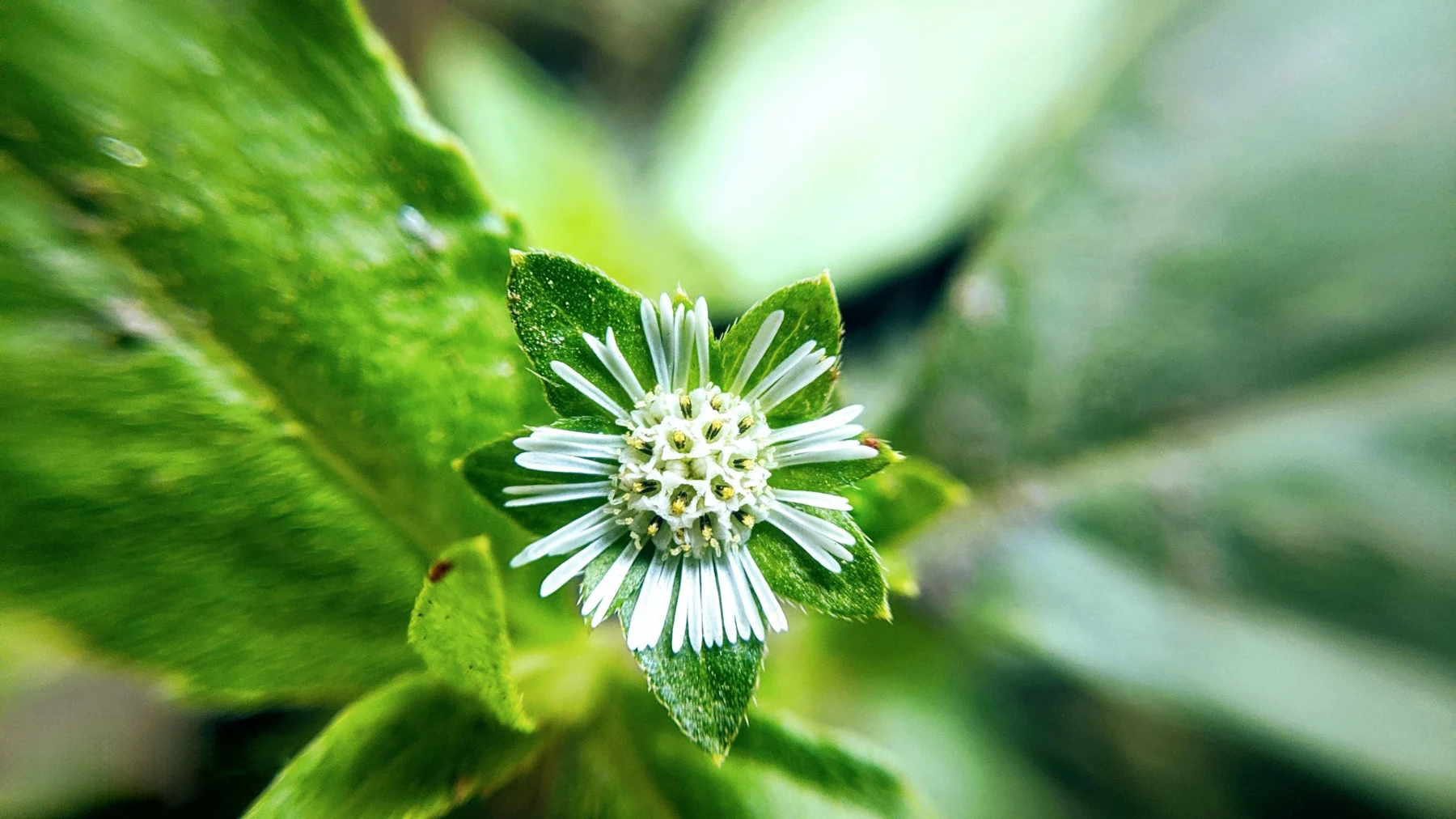
Photograph by @szmazhr via Unsplash.
Chinese herbal medicine uses concepts such as qi and traditional organ patterns to organize its descriptions of health. These concepts are part of the tradition's vocabulary rather than a medical diagnosis of liver disease or a demonstrated explanation for emotional symptoms.
Four traditional names
- Xiao Yao San is often translated as “free and easy wanderer.”
- Yi Guan Jian is often translated as “linking decoction.”
- Chai Hu Shu Gan San is a formula name associated with the traditional liver-qi framework.
- Suan Zao Ren Tang is named for sour jujube seed.
A formula name alone does not tell you whether a product is appropriate for you. Ingredients, preparation, medications, and your health history all matter.
Discussing stress and sleep
If stress or sleep concerns are disrupting daily life, discuss them with a qualified healthcare professional. You can bring questions about complementary approaches to that conversation without assuming that a formula will calm the nervous system or resolve an underlying condition.
This overview is about traditional terminology. It does not recommend a formula for anxiety, insomnia, menstrual symptoms, or another medical condition.