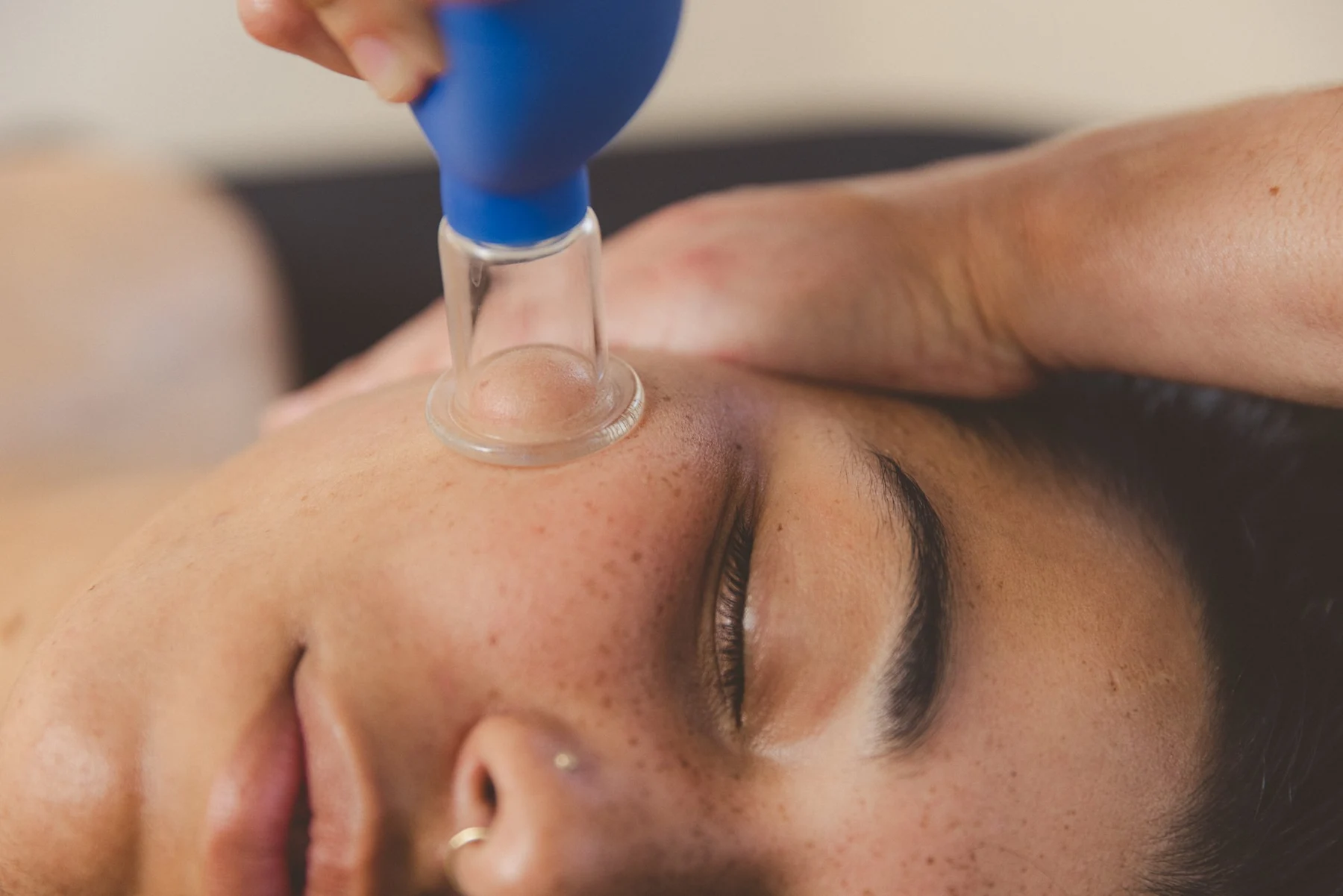
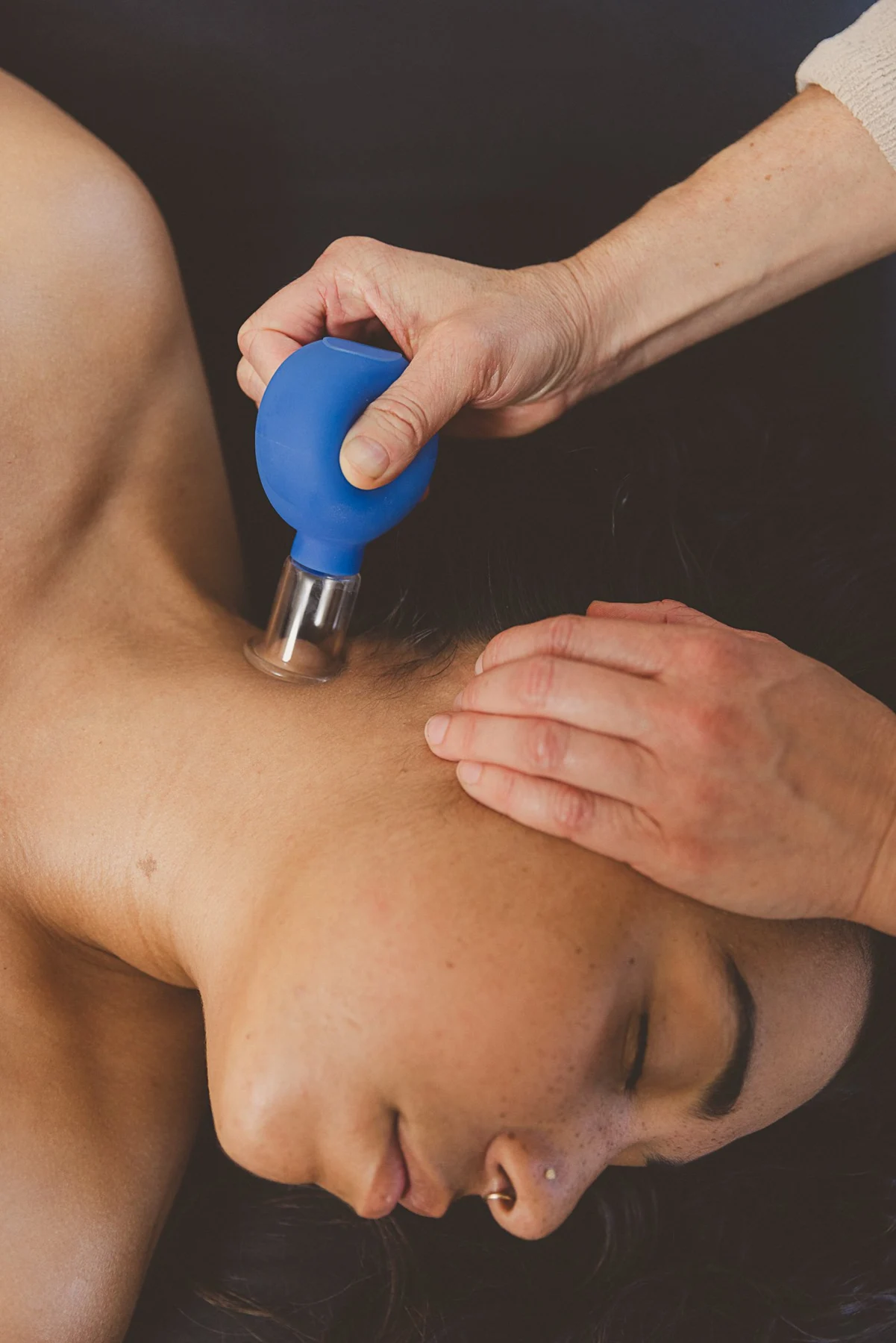
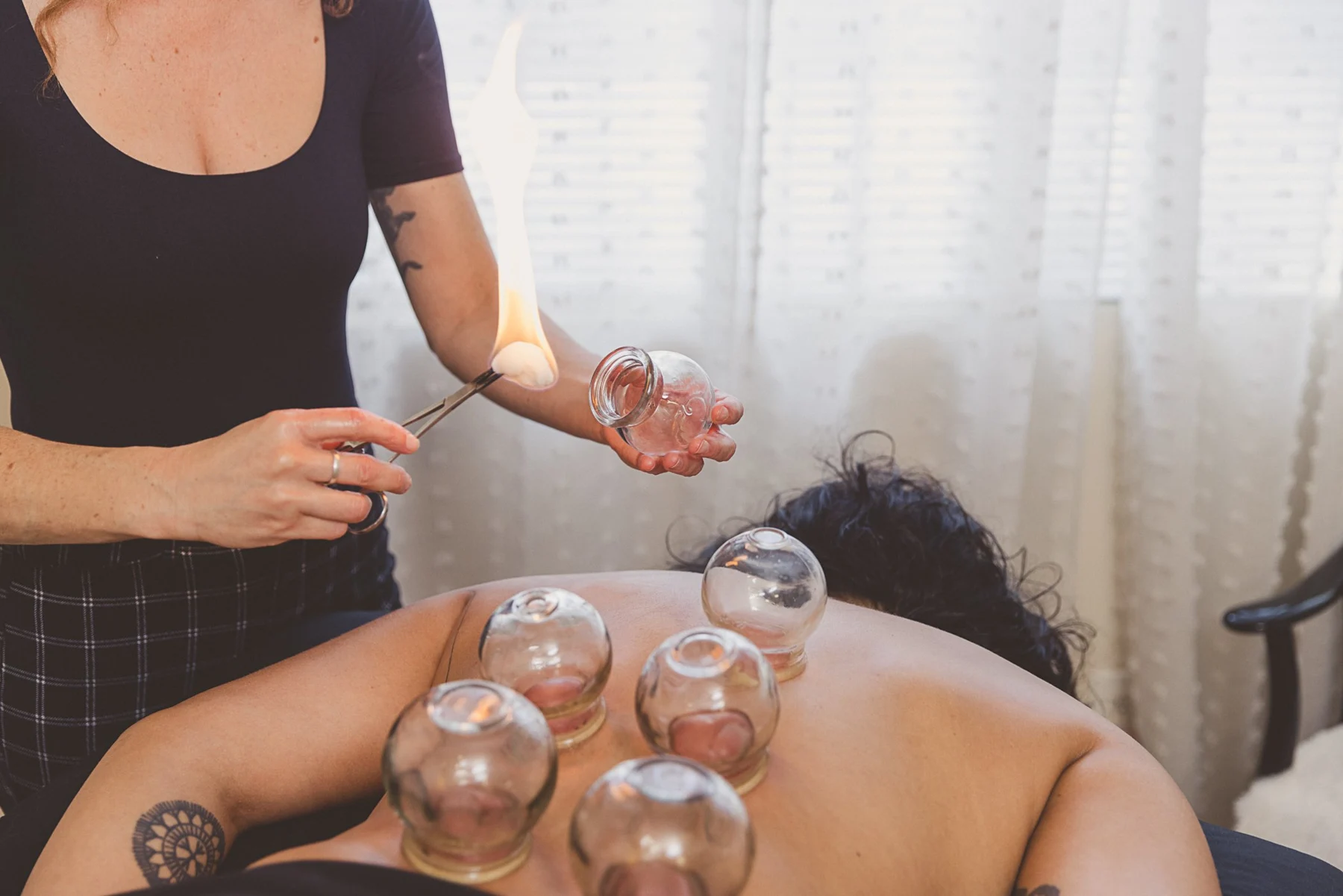
Cupping involves placing cups on the skin and creating suction. It appears in traditional practices in several parts of the world and is one of the modalities discussed in Chinese medicine.
Tradition and evidence
Traditional explanations often refer to qi and blood movement. These are not proof that cupping removes toxins, improves organ function, prevents illness, or strengthens immunity.
The National Center for Complementary and Integrative Health describes the research as mostly low quality. It notes possible pain benefits but says the evidence is not strong. A session should not come with a promise of pain relief, faster recovery, or disease prevention.
Before a session
Discuss your health history, medications, skin conditions, and any concerns with the practitioner. Ask which technique is proposed, what it involves, and what alternatives you have.
Cupping can leave temporary marks and can cause adverse effects, including burns, infection, or persistent discoloration. Ask about risks and aftercare before deciding whether to proceed.
The aim of a consultation is an informed choice. Persistent or unexplained symptoms still need appropriate medical evaluation.