
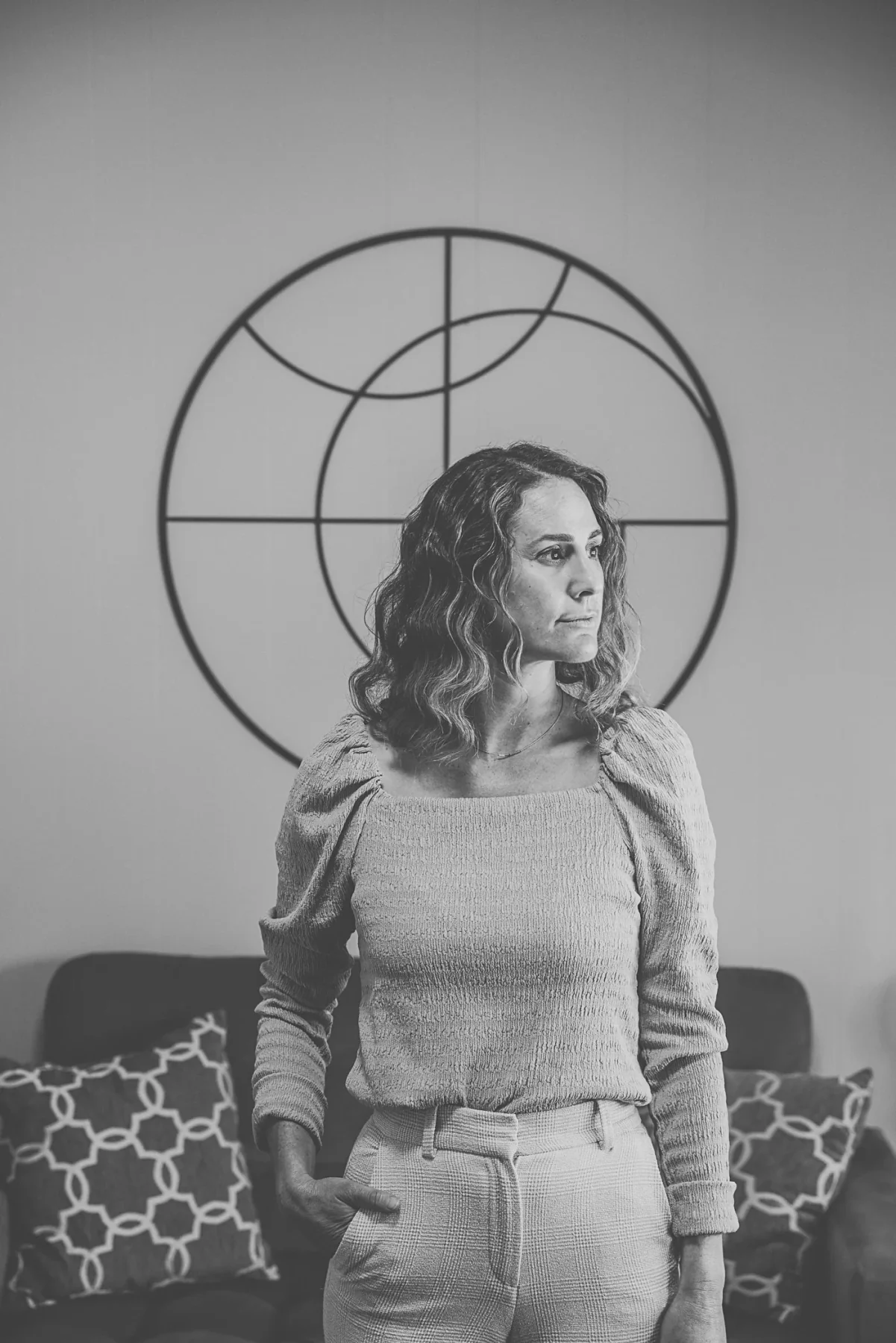
Hi y’all, it’s been a while! OK, so update time: I put my life in a snow globe and shook it up real good. I let go of many attachments I previously identified with. I’ve changed houses and towns, kissed a stable and fulfilling professional practice goodbye, and said hello to a new life in Marin County, California!
It’s taken an Everest climb’s amount of work to finally get here and get settled. So yeah, that’s why I’ve been a little MIA over here—I know you’ve lain awake at night wondering where I went. 😜
It seems I don’t do anything without gleaning some meaningful life lessons from it, so I thought, why not share?! In fact, these are things I’m constantly telling patients, but since I don’t have many patients anymore, why not tell the world!
One thing I want to make clear before I get into these: I didn’t start doing any of this because my life got turned upside down. These are practices I’ve been cultivating consistently, which means I already had a foundation in place when this transition came along. And holy shit, what a difference that has made. I’ve been able to navigate an enormous amount of change with more ease, trust, and emotional stability than I would have been capable of even a year ago, and definitely two years ago. That’s kind of the point. We don’t build these practices because we know when we’re going to need them. We build them so they’re already there when we do.
So without further ado, here are the essential practices that keep me sane while navigating difficulty
1. Meditation
I consider myself a beginner yet consistent practitioner of meditation, but I can tell you from experience that there are both short- and long-term rewards for committing to a practice. In the short term, regulating your nervous system helps you navigate the day with more ease. With consistent practice, a regulated nervous system starts to become the norm. It becomes much more difficult to knock a regular practitioner off their center, and much quicker for them to return to center after an upset.
Essentially, your overall disposition becomes more peaceful.
The other day, I had a late-night panic when I realized that my tenant hadn’t paid rent in time for me to cover my mortgage, which was about to auto-draft from my account. This sent me into a tizzy of worry and anger at the worst possible time: right before going to bed.
So I left the bedroom and regulated. That looked like me standing in my living room in my underwear, vigorously shaking my hands as if trying to flick sewage water off of them, then pushing against the wall while quietly screaming, kind of like the tiger’s breath yoga teachers will have you do. Anger wants to move, so I gave it an out.
Then I was calm enough to do a guided meditation, which brought me the rest of the way back to peacefulness. Even I, a recovering insomniac, was able to fall asleep and stay asleep pretty easily. In the past, that kind of distress would have sent my head spinning and kept me up for hours.
Beyond that, I’ve noticed a whole world of relationships open up around me. I feel the environment respond to me. Nature, spirit guides, what have you. I’ve become more skilled at manifesting. I have more trust that what is meant for my highest good is possible and on its way to me.
2. Trust the Timing
Big changes, even when they are what you’ve been wanting, can still be tough to navigate. And then, of course, some of them no one was asking for! But I find that when you trust the timing, you can begin to trust that what you encounter may ultimately serve your highest good, and likely someone else’s too.
You’ve probably heard someone say, “Getting fired was the best thing that ever happened to me.” Sometimes we don’t get to know why something is happening or how it can benefit us until much later. Challenges and difficulties present opportunities for real growth and change, and saying yes to life doesn’t mean just saying yes to the nice parts. It means engaging with the complex parts too and making meaning from struggle.
The timing for this move unfolded perfectly for our family. I wasn’t ready to leave the place and community I called home for 20 years until recently. I wasn’t ready to be a full-on stepparent until recently. I wasn’t ready to step away from my Chinese medicine practice until recently. I can’t speak for my step-kids, but I know they were very content in their previous life, and we weren’t eager to pull them out of it without a lot of time and thoughtful consideration.
And then a portal opened, and I felt the heartfelt, ecstatic YES—no longer restrained by resistance, doubt, or fear. The only way forward was to table-flip all of it.
Indeed, I had to grieve aspects of leaving, but it felt like graduating from a college that you loved. You had a great time, you learned a lot, but you can’t stick around forever.
So yes, you could say this was a welcome transition. But when I reflect on the transitions I was terrified to walk through, like a breakup, I can see that a better life—one more aligned with my values and energy—was waiting for me on the other side.
I just couldn’t see it yet.
3. Gratitude
It’s true that gratitude is the attitude. If you want nice things to come to you (who doesn’t?), be grateful for what you already have, even if it’s not much.
Several years ago, I started recommending The Power of Now and The Law of Attraction to many of my patients because I noticed something that a lot of people coming to me had in common: a desire for change and an obsession with what was missing.
For those of us who couldn’t get through many of the boring required-reading texts in middle school, here’s the CliffsNotes version: like attracts like.
The most common patterns I see here are worry and scarcity.
My own problem was common, but still a little embarrassing. Confession time: I was annoyed all the time. Seriously, I was just constantly encountering annoying situations.
The problem wasn’t the other people and inconvenient situations I kept finding myself in. The problem was that I was very annoyable, so I attracted annoying situations.
It was me. I did that. 🙋♀️
So I decided that I wasn’t going to be annoyable anymore, and guess what happened? The constant parade of annoying things stopped. Things that used to bother me didn’t. I was tested, of course. These tests came for a little bit, but I just said, “Nope. You’re not getting a rise out of me today,” and eventually they nearly came to a standstill.
There’s a quote I love that goes:
“Watch your thoughts, they become your words; watch your words, they become your actions; watch your actions, they become your habits; watch your habits, they become your character; watch your character, it becomes your destiny.”
This quote is attributed to Lao Tzu, but do we really know for sure? I don’t think so, since there is no original text that anyone can find it in. But who cares when it’s a banger!
Isn’t it a wonderfully simple expression of how we can choose to unconsciously or consciously organize our lives?
Constant worrying produces a similar effect. When over-worrying becomes your disposition, you are energetically telling the universe, I love to worry, so please give me things to worry about!
And scarcity works the same way. When we constantly obsess over what’s missing from our lives instead of appreciating what is already here and actively aligning ourselves with the vision of our heart’s desires, we quietly reinforce the belief: There isn’t enough. I don’t have enough. What I want isn’t coming.
Gratitude interrupts that pattern.
It doesn’t mean pretending everything is great when it isn’t, or denying the things in your life that genuinely need to change. It means refusing to make what is wrong, missing, or uncertain the primary object of your attention.
You can want more for your life while still deeply appreciating the life you have.
In fact, I think that’s where the magic happens.
The Snowball Effect
The thing I’ve noticed is that none of these practices really exist in isolation. Meditation helps me come back to center. Trust helps me loosen my grip when I don’t know what’s coming next. Gratitude helps me pay attention to what is here instead of constantly focusing on what’s missing. And the more I practice all three, the more conscious I become of how I’m actually moving through my life.
My self-awareness—my ability to live consciously awake—has grown to a degree that when I don’t like something about myself, some tendency or unfair knee-jerk reaction, I can actually change it. Not without the effort of self-inquiry, of course. But I can clearly see it and the related impact on those around me, which means I have a choice about whether I want to keep reinforcing it.
These are the snowball effects I’ve noticed when these small habits combine. You regulate yourself a little more. You trust a little more. You notice what’s good a little more. And eventually, those practices begin to change your disposition toward life itself—and even the circumstances of your life.
I certainly don’t navigate every difficult situation with grace, but I do feel more capable of meeting life as it comes, including the parts I didn’t ask for.
And considering I just put my whole life in a snow globe and shook it up real good, I’d say that’s been pretty useful.
Follow me on instagram here
See my in-person and telehealth services here
Book with me here